This article is part of our exclusive IEEE Journal Watch series in partnership with IEEE Xplore.
The idea of letting a machine do the driving for you may put a lot of people off autonomous vehicles. But research could make it possible to backseat-drive an autonomous vehicle just as you might with a human driver.
Self-driving cars carefully balance a host of parameters to ensure a smooth ride, including things like speed, acceleration, and the smoothness of turns. But human driving preferences can often vary depending on how much of a rush they’re in, whether they’re feeling carsick, or how busy the traffic is.
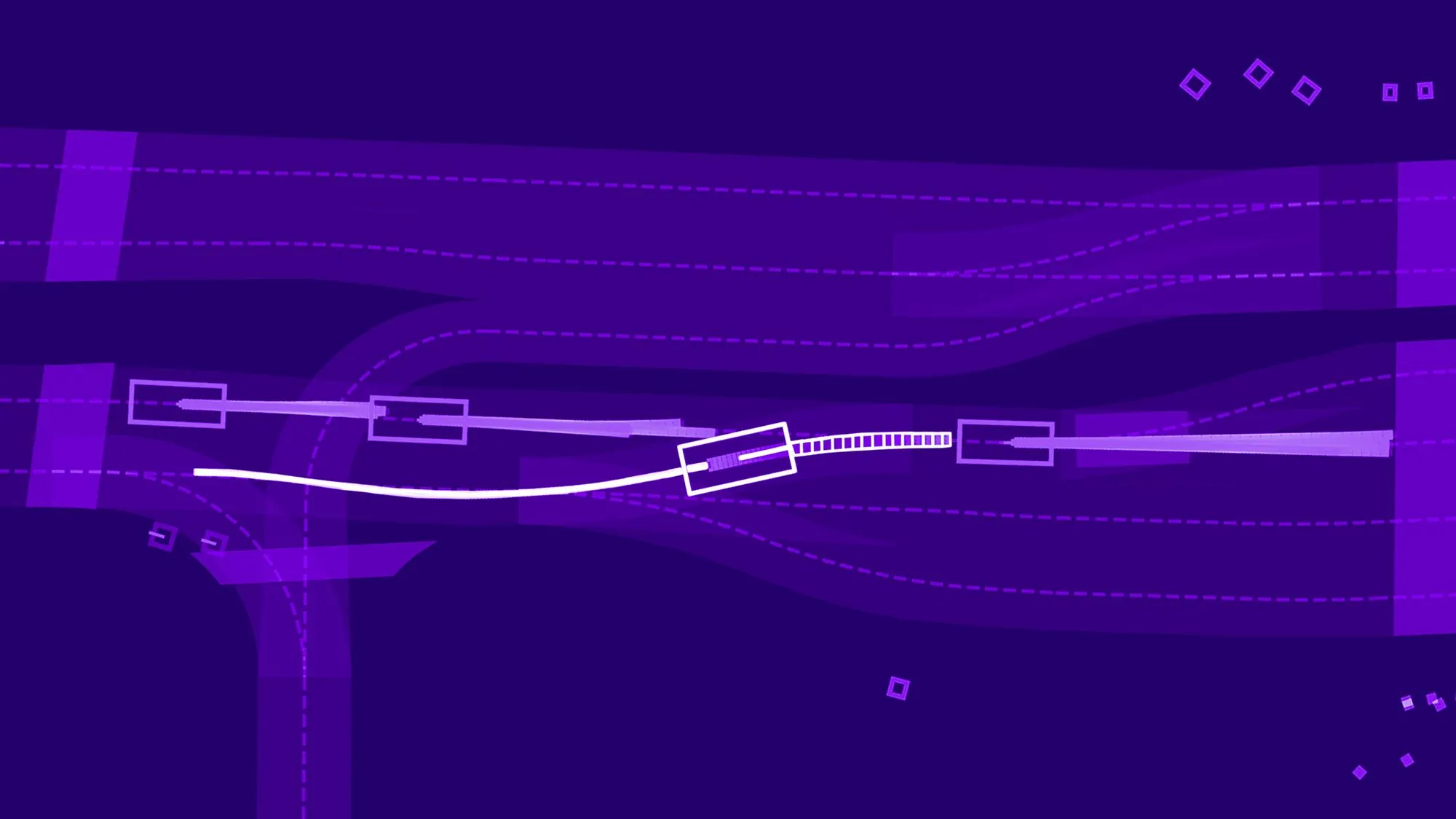
These cars have a software component called the motion planner, which is responsible for choosing a safe and efficient path through traffic. The motion planner is normally tuned by engineers before the vehicles hit the road so that there’s little scope for passengers to adjust a vehicle’s driving style on the fly. But now researchers at the Delft University of Technology (TU Delft) in the Netherlands have developed a system that uses a large language model (LLM) to translate natural-language user requests such as “I am running late, go fast” into adjustments to a self-driving control system. The researchers posted their preprint on arXiv and are presenting the work at the IEEE Intelligent Transportation Systems Conference in September.
The system doesn’t give users direct control over the vehicle’s driving decisions; it simply tunes the parameters of a safety-aware motion-planning algorithm, which helps to keep the vehicle’s behavior within safe bounds.
Source link