Three years ago, Andrew Stockwell had his hiring routine down to a science.
As head of people for the software-buying company Vendr, Stockwell posted a listing, waited a few days, and then reviewed a few dozen applications—up to 100, if he was lucky. Recruiters identified other potential candidates, adding a few more applicants to the mix. Stockwell read résumés, conducted interviews, and passed along sterling candidates to hiring managers.
“It was really about finding that great talent, sussing out that talent, speaking with that talent, and identifying the best possible people,” Stockwell tells WIRED.
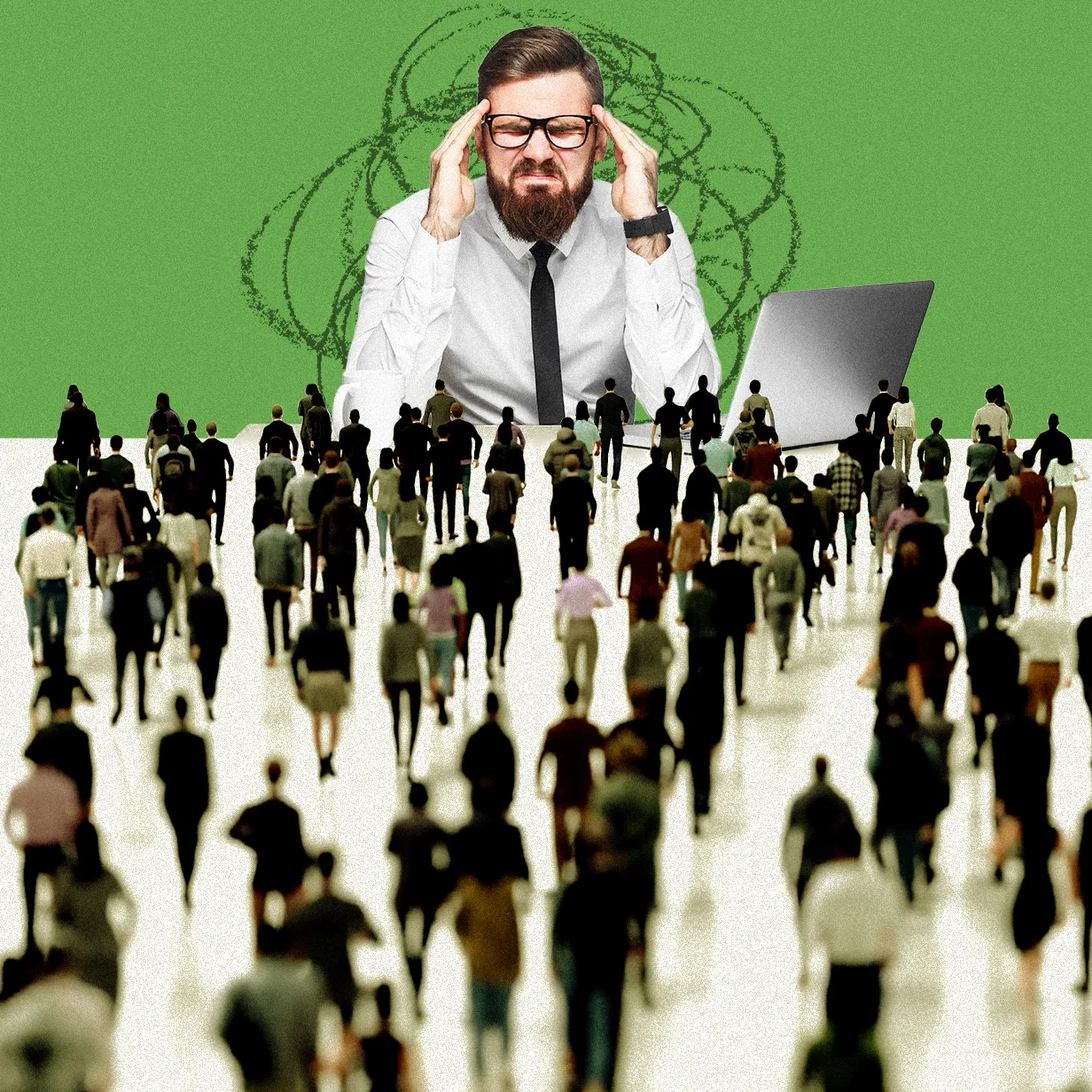
Sometime in the last year or so, Stockwell says, everything changed. The process started off the same way, but within a day or two, Stockwell wasn’t looking at 100 candidates. Instead, he was flooded with hundreds of applications. Sometimes, the incoming topped a thousand. A good chunk were “total bogus,” Stockwell says—fake candidates. Many more appeared to have been written using artificial intelligence, stretching the truth and making it difficult to distinguish one applicant from another. The sheer quantity was overwhelming. Stockwell says he found himself “paying my talent-acquisition professionals—who are high-paid, high-quality individuals—just to look through applications all day long.”
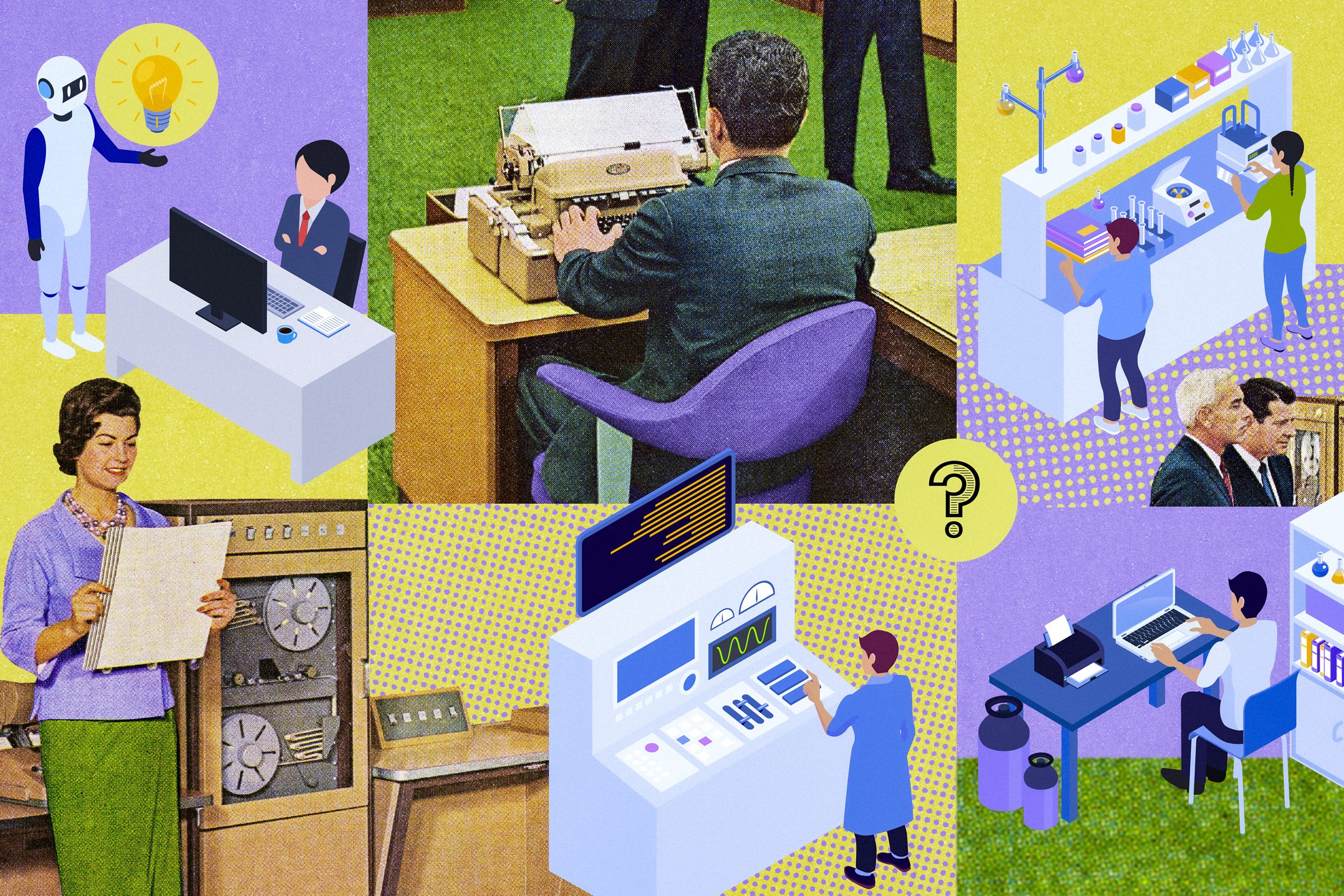
Stockwell is one of many recruitment professionals who believe looking for a job is fundamentally broken. In 2026, job hunting has become as easy as online shopping: AI can crank out tailored résumés and cover letters in seconds. Browser extensions can autofill applications, no human necessary.
Source link