The impact of AI on software development has been both profound and ever-evolving. Last year, I wrote about AMD’s plans to use AI not just for generating new lines of code, but also for other steps in the software development lifecycle (SDLC), such as triaging problems, debugging code, and testing the software. At the time, we were hoping for a 25 percent productivity boost from AI use over the course of two or three years.
But with each new release, the capabilities of large language models (LLMs) improve dramatically—accelerating software development, increasing the quality of AI-generated code, and fundamentally reshaping how software is engineered. Now, just one year later, we have surpassed our productivity target, achieving a 30 percent overall productivity boost through AI. On top of that, we are rethinking not only how we use AI within the SDLC, but the structure of the SDLC itself.
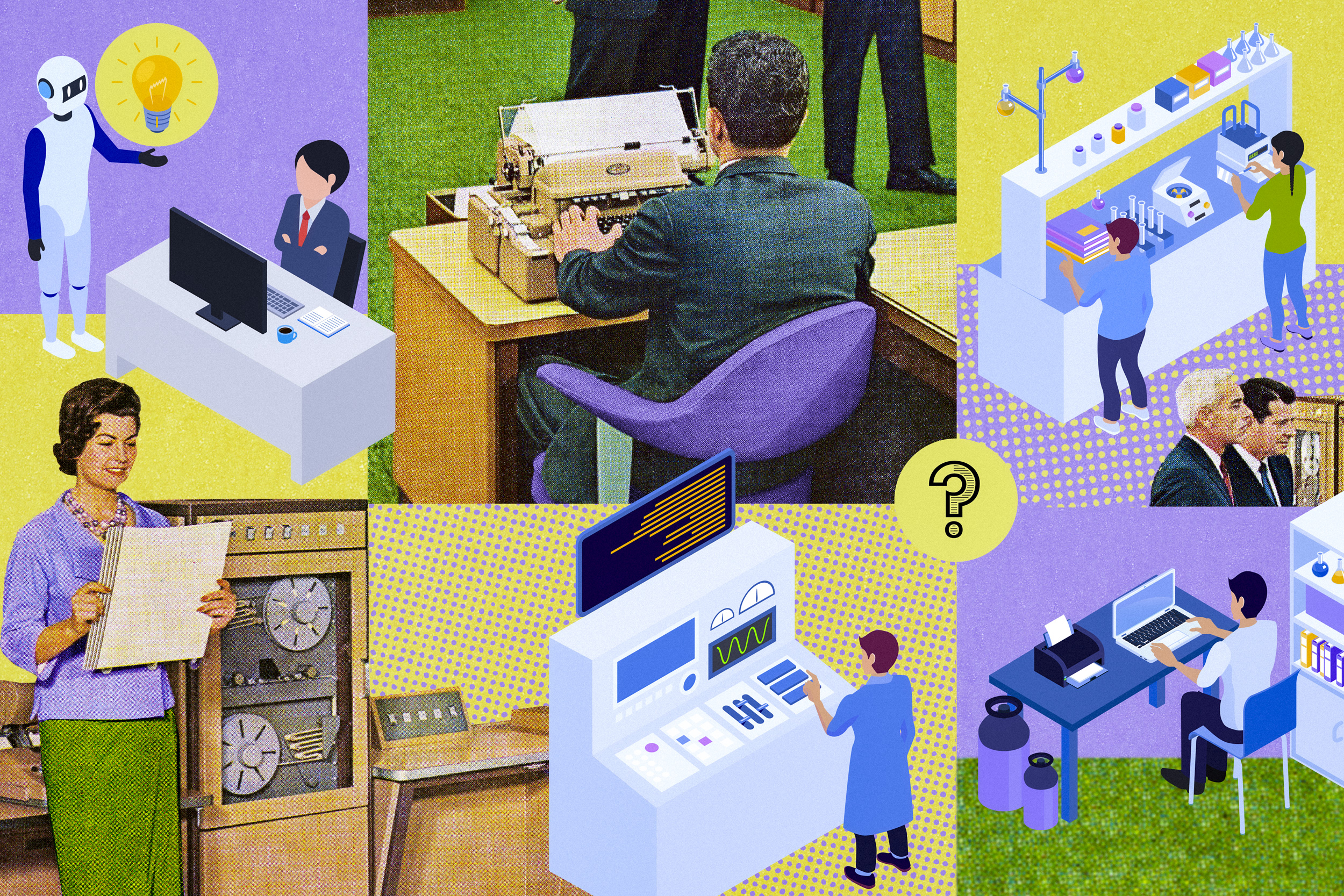
We believe that the biggest AI revolution in software engineering is still ahead. So far, we have largely been teaching AI how we perform tasks and asking it to mimic existing workflows. In many ways, this constrains AI to human patterns of thinking. The next transformation will come from collaborative swarms of AI agents capable of discovering solutions independently.
AMD began developing AI systems for code generation, testing automation, bug analysis, and code review in 2024. At the time, our objective was to achieve 25 percent AI-generated production code by 2027 while gradually automating larger portions of the SDLC.
Measuring productivity is inherently challenging , but from the outset we have consistently tracked one objective metric: the percentage of source code generated by AI.
Source link