Zain Hasan, an AI engineer at Together AI, has taught himself to use AI coding assistants while still keeping an eye on cost. He directs difficult problems to a frontier model, meaning one near the current state of the art in reasoning and capability, such as Anthropic’s Fable. But if the task that Hasan is outsourcing is more straightforward, he directs it to a less capable—and less expensive—language model.
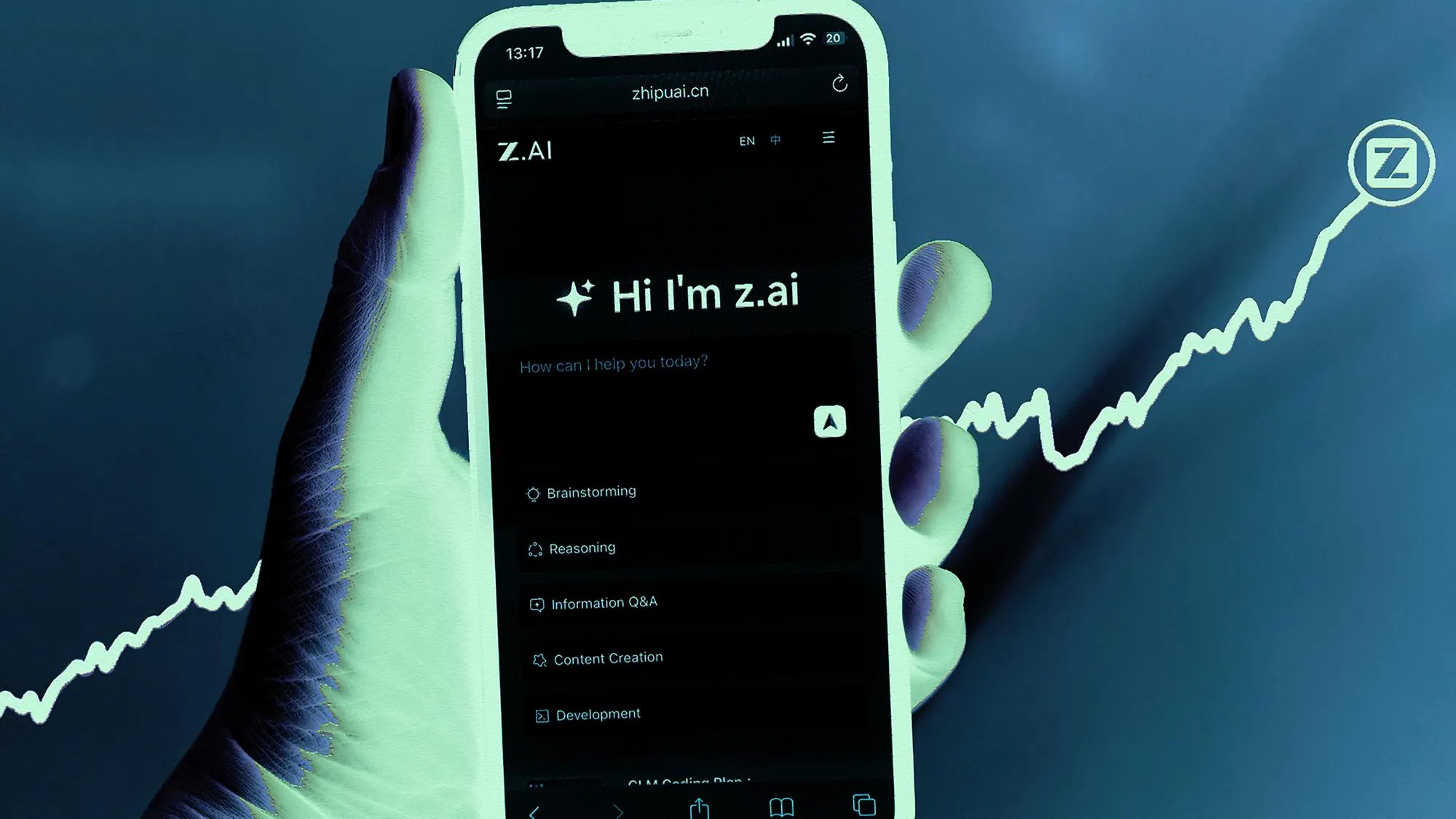
Right now, the cheaper model, for him, tends to be GLM 5.2. Released on 16 June by the Beijing-based lab Z.ai, GLM 5.2 is an open-weights model, meaning any organization with sufficient hardware can download and host the model for free.
Those that pay Z.ai for GLM access still can save money, because the company’s API costs US $4.40 per million output tokens. That’s less than a fifth of the comparable price for access to Anthropic’s Opus 4.8 model, and a tenth the price of Anthropic’s Fable coding model. An output token is the basic unit of text a model generates in response to a prompt.
Yet many software engineers around the world, Hasan said, aren’t yet fully mindful of the net AI price tag for a given coding project.
“A lot of companies right now—they’re still trying to figure this technology out, and so there isn’t really a token budget,” said Hasan. And when someone else is paying, the rational move for many software engineers is to skip tabulating costs entirely.
Source link