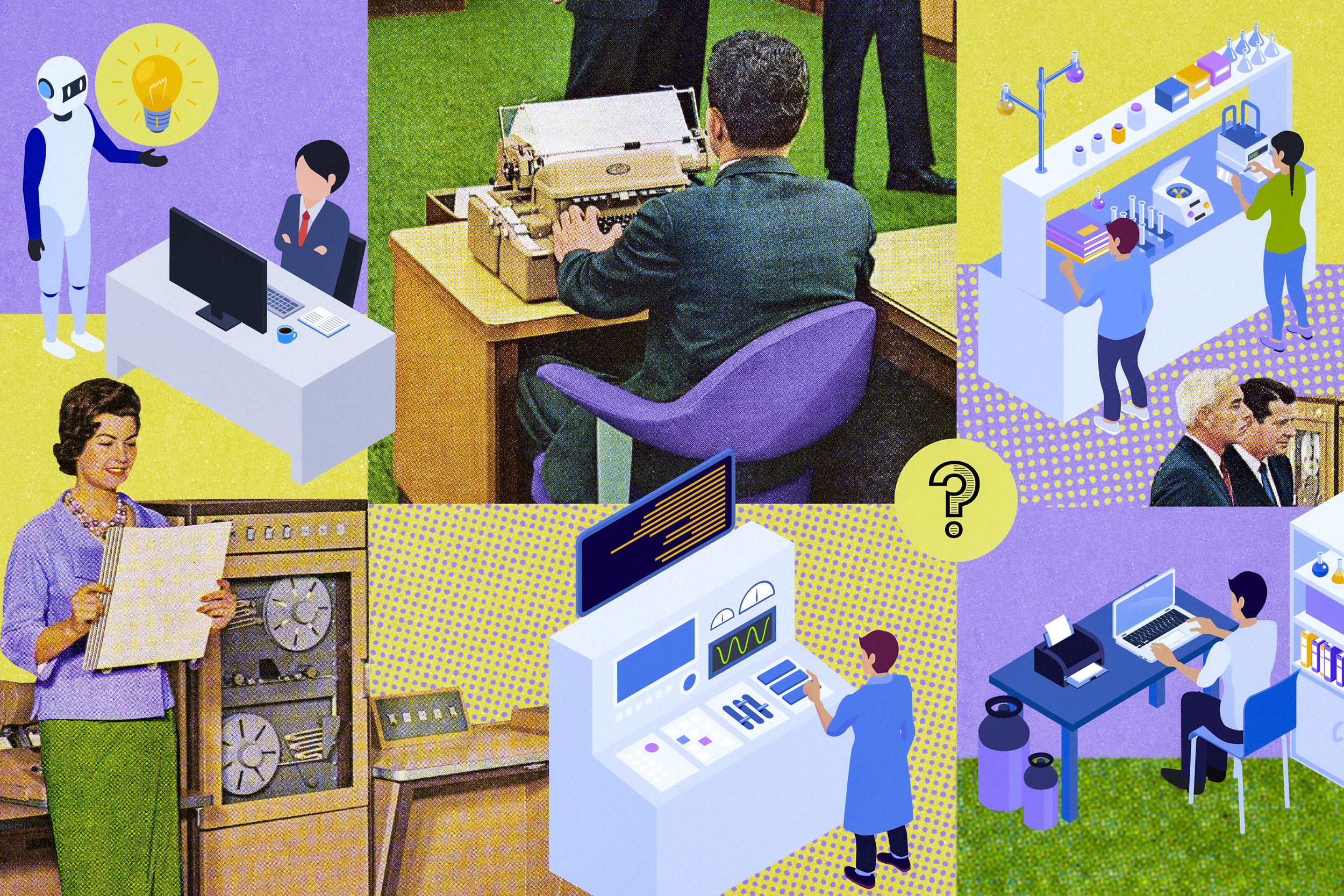
Artificial intelligence has rapidly transformed software engineering. Generative AI and large language models (LLMs) can create huge volumes of code and documentation; machine-learning algorithms can monitor performance and detect security vulnerabilities. But when the task is to conceive, design, and make a complex physical system such as a jet engine, are those AI tools equally transformative?
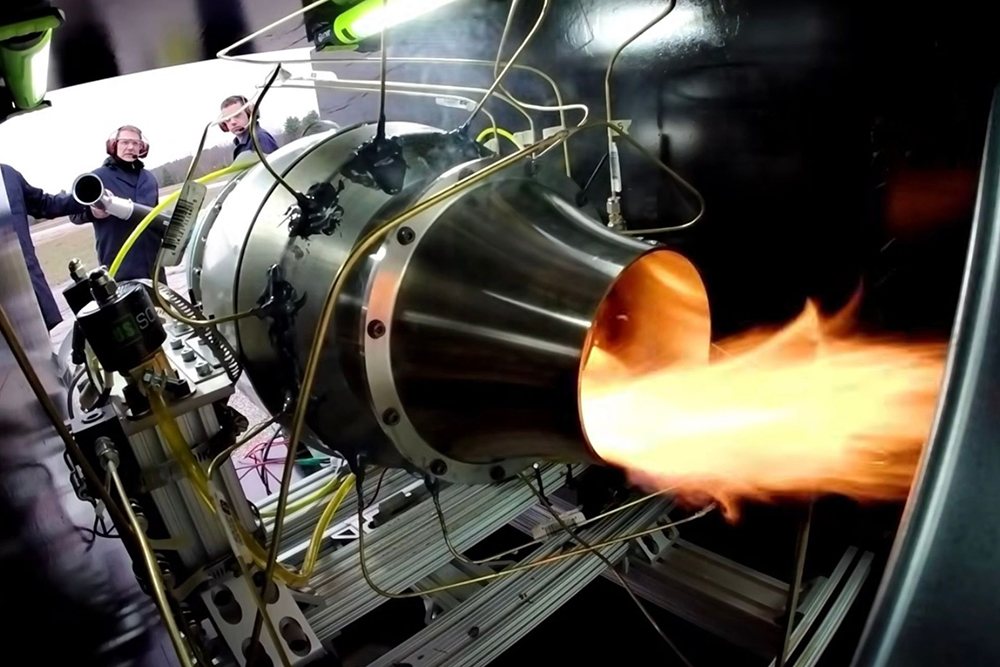
This past semester, the JARVIS Challenge (Jet-engine AI Research and Validation Intensive Sprint) set out to explore whether AI can compress the design-build-test cycle, asking MIT undergraduates to discover whether AI can help them to build faster and better.
“The JARVIS challenge showed that AI can substantially accelerate safety-critical hardware engineering, but engineering judgment remains the decisive differentiator. An AI-native engineer is not defined by using AI, but by leading it — knowing when to trust it, when to challenge it, and how to translate AI outputs into working hardware. Manufacturing — not engineering design or analysis — remained the fundamental rate-limiting step,” says Professor Zolti Spakovszky, director of the MIT Gas Turbine Laboratory.
The challenge gave undergraduates four weeks to design, fabricate, assemble, and test a small gas turbine aero engine, using AI as their primary engineering partner. The objective: build a “JARVIS-class” single-spool jet engine producing 50–100 pounds of thrust, running on Jet-A, and completing five 60-second runs. Teams had total freedom over design, materials, and fabrication.
Representing nearly every department in the School of Engineering, 31 students organized into seven teams, ranging from all first-years to senior-heavy groups. Many of the competitors initially had little experience in turbomachinery, compressible flows, or, in the case of the younger students, even thermodynamics.
Source link